Scenario based logic of power transformation: Where are the boundaries between internal combustion engines, electric vehicles, and hybrid solutions?
In the era of continuously deepening global climate governance and accelerating energy transformation, energy efficiency and emission regulations in various countries are becoming increasingly stringent, and the field of power equipment manufacturing is undergoing an unprecedented technological restructuring and industrial transformation. From the low-carbon innovation of traditional internal combustion engines, to the large-scale implementation of new energy power systems, and to the scenario adaptation of hybrid power solutions, the choice of power technology route has long bid farewell to the single "alternative" upgrade and entered a new stage of "precision" layout based on application scenarios. An industrial transformation centered on "scenario defined power" is fully unfolding.
Today, let's discuss,
Where is the boundary between internal combustion engines, electric vehicles, and hybrid solutions?
Global power structure reconstruction
Diversified technological routes coexist and prosper together
The profound transformation of the global power equipment industry today is essentially the inevitable result of the resonance of the three factors of "dual carbon" goals, technological innovation, and market demand.
On the one hand, countries have successively anchored their carbon neutrality development goals, and policy dividends such as the EU's 2050 carbon neutrality vision, China's "dual carbon" strategic commitment, and the US clean energy plan continue to be released, promoting the accelerated transformation of power equipment towards low-carbon and zero carbon;
On the other hand, the breakthrough development of battery technology, fuel cell technology, and intelligent control technology has enabled new energy power to move from the laboratory to industrial application, providing solid technical support for the diversification of power structures; In different application scenarios, the differentiated demands of the market for power reliability, endurance, usage cost, and infrastructure support determine that the power technology route cannot be "one size fits all", ultimately forming a multi-dimensional reconstruction pattern of "internal combustion engine upgrade+new energy penetration+hybrid power adaptation".
During this reconstruction process, two core trends have become increasingly prominent.
Firstly, traditional internal combustion engines have never exited the historical stage, but have been comprehensively upgraded towards high efficiency, cleanliness, and fuel diversification.Rapid breakthroughs have been made in zero carbon fuel internal combustion engine technologies such as methanol, hydrogen, and ammonia, while dual fuel internal combustion engines such as diesel/natural gas and hydrogen/ammonia have been commercialized, providing internal combustion engines with irreplaceable core advantages in many scenarios such as heavy load, long-distance, and extreme working conditions.
Secondly, the market penetration of new energy power presents distinct scene differentiation characteristics.Pure electric vehicles are rapidly becoming popular in short distance, low-speed, and fixed scenarios, while fuel cells are gradually being demonstrated and applied in medium to heavy-duty and medium to long-distance scenarios. Hybrid power has become the core bridge for the transition from traditional fossil fuels to new energy, achieving seamless integration of different power technologies.
The restructuring of the global power structure has not only brought about the iterative upgrading of technological routes, but also spurred the comprehensive restructuring and optimization of supply chains. From innovative research and development of key components to the practical application of intelligent manufacturing solutions, from single power products to integrated innovation of multiple power systems, collaborative innovation across the entire industry chain is becoming the core trend of industry development.
Ten precise scene divisions
The clear visualization of the scene boundary of the technical route
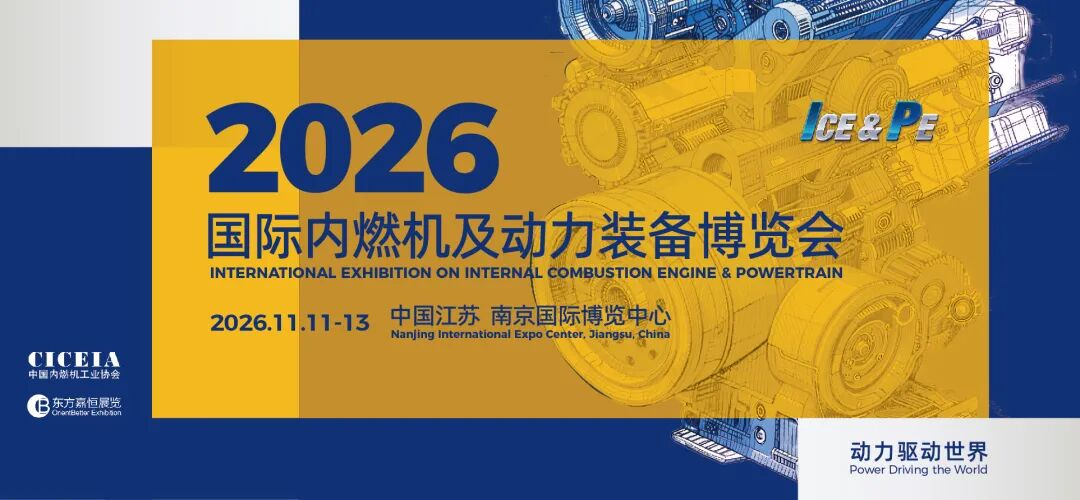
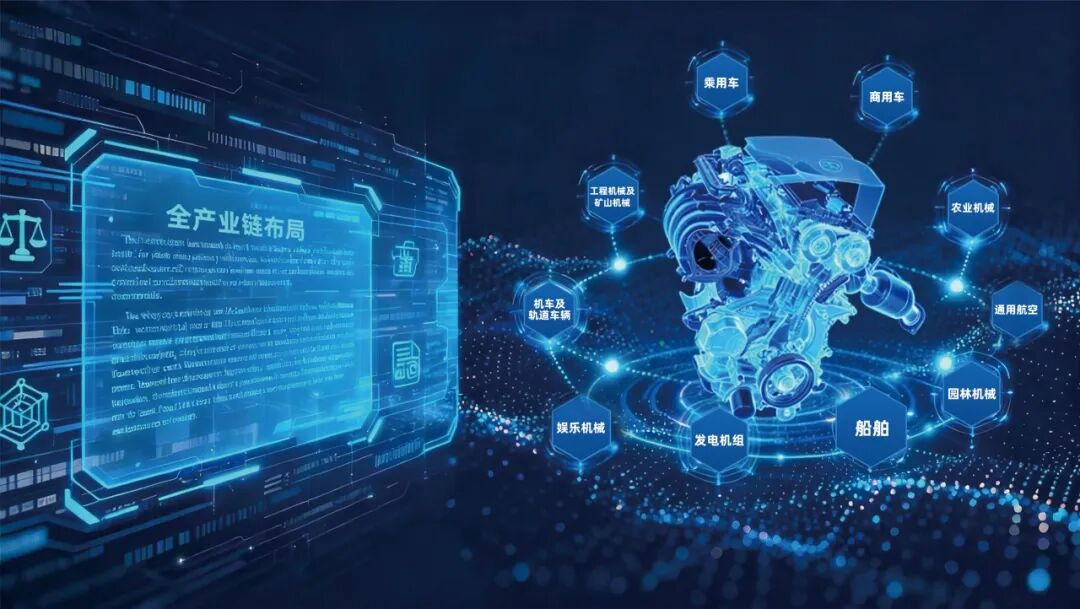
The 2026 International Internal Combustion Engine and Power Equipment Expo (referred to as the "Power Expo") will focus onTop 10 core application scenarios for passenger cars, commercial vehicles, engineering and mining machinery, agricultural machinery, general aviation, ships, generator sets, landscaping machinery, entertainment machinery, locomotives, and rail vehiclesComprehensively showcase the innovative achievements and industrial application cases of power technology in various scenarios. Based on the usage characteristics, technological maturity, and actual market demand in different scenarios, the power technology routes for the ten major scenarios can be clearly divided intoElectric acceleration, hybrid/transition period coexistence, internal combustion engine still dominantThe technology boundaries and selection logic of each scenario in the three major categories are highly in line with practical application needs, truly achieving "scenario adaptation technology, technology service scenario".
1、 Electric acceleration:
Short distance low-speed scenarios, pure electric becomes mainstream
The core features of such scenarios are short distance operation, low-speed operation, fixed routes or easy matching of charging infrastructure. Pure electric power has significant advantages in terms of usage cost, environmental friendliness, and operational convenience. Its technological maturity and market acceptance have reached the level of large-scale application, becoming the absolute mainstream technology route in the scenario, mainly coveringPassenger cars, landscaping machinery, entertainment machineryThree major scenarios.
passenger vehicle
In urban commuting scenarios, pure electric vehicles have become the core choice. The "Energy saving and New Energy Vehicle Technology Roadmap 3.0" clearly states that the penetration rate of new energy passenger vehicles will reach over 85% by 2040, with pure electric vehicles accounting for over 80%. The continuous upgrading of battery technology has continuously improved the range and charging efficiency of pure electric passenger vehicles. The improvement of urban charging infrastructure has further lowered the threshold for use, while hybrid solutions are mainly suitable for the long-distance travel demand of the passenger car market, forming a complementary pattern.
Garden machinery:
Trimming, irrigation, and small-scale maintenance of garden machinery are mostly operated at low speeds in fixed areas, with low requirements for power output. The pure electric solution can achieve zero emissions, low noise, and no need for fuel supply, greatly reducing the cost of use. Currently, electric garden machinery has gradually replaced traditional fuel powered models and become the mainstream in the market.
Entertainment machinery:
Electric surfboards, electric sightseeing boats, ATV all terrain vehicles, sightseeing vehicles and other entertainment machinery are mainly used in enclosed or semi enclosed scenes such as scenic spots and parks, with high requirements for environmental protection and experience. The zero emissions and low noise characteristics of pure electric power perfectly match the scene requirements, and the characteristics of short distance operation do not need to consider long range issues. Electrification has become the core direction of industry upgrading.
In the exhibitor structure of the China International Auto Show, the participating companies in such scenarios are mainly pure electric powertrain suppliers, power battery companies, and intelligent control companies. Automobile companies such as GAC Group have highlighted their hydrogen electric hybrid passenger vehicles at previous exhibitions, forming a complete electrification supply chain system from core components to end products.
2、 Hybrid/Transition Period Coexistence:
Complex working conditions and collaborative multi technology routes
The core characteristics of such scenarios are complex working conditions, high requirements for power reliability and endurance, and incomplete supporting charging/hydrogenation infrastructure. A single power route cannot meet all usage needs, thus forming a transitional pattern dominated by hybrid power and supplemented by pure electric and clean internal combustion engines. Hybrid solutions have become the core bridge connecting traditional energy and new energy, mainly includingCommercial vehicles, engineering and mining machinery, agricultural machinery, generator sets, locomotives and rail vehiclesFive major scenarios.
Commercial vehicles:
Short haul logistics, urban logistics, and short distance passenger commercial vehicles have achieved large-scale electrification, while medium and long-distance heavy-duty trucks and cold chain logistics commercial vehicles are showing a dual route development trend of "hybrid+fuel cell". The "Energy saving and New Energy Vehicle Technology Roadmap 3.0" proposes that by 2040, the proportion of hybrid vehicles in traditional energy commercial vehicles will exceed 65%, and the scale of fuel cell commercial vehicles will reach more than 4 million. Hybrid solutions will become the transitional core of medium and long-distance commercial vehicles, while fuel cells will be an important direction for zero carbonization in the future.
Construction Machinery and Mining Machinery:
Excavators, loaders, mining trucks and other equipment have complex working conditions and high requirements for power torque and continuous operation capability. Pure electric vehicles are limited by battery weight and charging time and are only used in small equipment and fixed workstations; The hybrid solution can achieve energy saving and consumption reduction while ensuring core operational capabilities, becoming the current mainstream; Hydrogen fuel internal combustion engines and fuel cells are gradually being demonstrated and applied in large-scale mining machinery, and their technological maturity continues to improve.
Agricultural machinery:
The operation areas of agricultural machinery such as rice transplanters, harvesters, and tractors are scattered, and the infrastructure is insufficient. The hybrid solution can balance the advantages of fuel endurance and electric energy saving, making it suitable for cross regional and long-term operations; In small-scale work scenarios such as greenhouses and orchards, pure electric agricultural machinery has become popular, while clean internal combustion engines still play an important role in large tractors and combine harvesters.
Generator Set:
Under the "dual carbon" goal, power generation units are transforming towards cleanliness and intelligence. The proportion of renewable energy power generation units will increase from 30% in 2023 to 38% in 2025, but thermal power generation units still account for 58% of the market share, forming a coexistence pattern of "traditional fuel/gas units+new energy units+hybrid energy storage units". Among them, hydrogen generator sets and dual fuel generator sets have become the core direction of clean upgrading, and are quickly applied in emergency power supply in data centers and industrial parks.
Locomotives and rail vehicles:
Urban rail transit has fully achieved electrification, while freight locomotives and long-distance passenger locomotives are in the transitional stage of "internal combustion electric transmission+hybrid+hydrogen energy electric transmission". Internal combustion electric drive locomotives are still the main force at present, hybrid locomotives can achieve energy conservation and consumption reduction, and hydrogen electric drive is an important technology route for zero carbonization of future rail vehicles, which is currently in the stage of small-scale demonstration and verification.
The exhibitor structure of such scenes presents diversified and full industry chain characteristics. At the China International Import Expo, companies such as Hande Axle and FAST showcased their hybrid power transmission systems, Weichai showcased clean internal combustion engines and hybrid integration solutions, and fuel cell engines, power batteries, and intelligent energy storage companies also participated, forming a supply chain collaborative innovation ecosystem with multiple technology routes of hybrid, pure electric, and clean internal combustion engines.
3、 Internal combustion engines still dominate:
High end extreme scenarios, low-carbon upgrading is key
The core characteristics of such scenarios are extremely high requirements for power output, endurance, and extreme environmental adaptability. New energy power technology is not yet mature or there is a lack of supporting systems. Traditional internal combustion engines, after low-carbon and diversified fuel upgrades, still have irreplaceable core advantages and become the core power solution in the scenario, mainly includingGeneral aviation, shipsTwo major scenarios.
General aviation:
Aircraft have strict requirements for power reliability, lightweight, and high power density. New energy power (batteries, fuel cells) are limited by energy density and are currently only used in small unmanned aerial vehicles and light aircraft; After fuel optimization and high-efficiency upgrading, traditional aviation internal combustion engines remain the main power source for general aviation, while hydrogen fuel aviation internal combustion engines have become an important research direction for future zero carbonization upgrades, currently in the stage of technological research and testing.
Ship power:
Large commercial and ocean going vessels have extremely high requirements for endurance and power, and pure electric vehicles are limited by battery capacity and are only used in short distance inland vessels and port operation ships; Although fuel cell ships have been demonstrated, there is insufficient supporting infrastructure for hydrogen storage and refueling, and commercialization has not yet been achieved; Traditional marine internal combustion engines (diesel, natural gas) have undergone clean upgrades, and zero carbon fuel technologies such as methanol and ammonia are rapidly developing, making them the core power source for ocean going vessels. At the same time, the innovation of marine electric propulsion devices (such as pod thrusters) has deeply integrated internal combustion engines with electric transmission, achieving further improvement in power efficiency. The technological breakthrough of domestically produced 10 MW high-power pod thrusters has also promoted the intelligent upgrade of marine power.
At the CIIE, the participating companies in such scenarios are mainly internal combustion engine manufacturers and key component enterprises, focusing on showcasing new generation internal combustion engine, hydrogen fuel, ammonia fuel internal combustion engine technologies, as well as integrated solutions for hybrid and electric drive, fully reflecting the low-carbon and zero carbon upgrading trend of power systems in high-end scenarios..
Scenario based transformation brings new opportunities
Linking China with Global Supply
The restructuring of the global power structure and the technological differentiation of the ten major scenarios have spurred the demand for full industry chain collaboration, and professional exhibitions have become a key link connecting China and the global supply chain. The 2026 International Internal Combustion Engine and Power Equipment Expo will create a high-end platform for the entire global power equipment industry chain with an exhibition area of 30000 square meters, 400+exhibitors, 35+concurrent events, and 20000+professional visitors. It will deeply integrate supply chain opportunities between China and the world, and its core advantages are reflected in three aspects:
Firstly, covering the entire industry chain and accurately matching scene requirements.The exhibition covers the entire industry chain, including internal combustion engines and new energy power, and adapts to the needs of different scenarios. Exhibitors cover enterprises such as complete machines, transmission systems, and key components, forming a complete supply chain system and providing one-stop scenario based solutions.
Secondly, integrate global resources and connect the supply chain links between China and foreign countries.Relying on the advantages of the host organization and guidance department, we integrate global resources through a three-dimensional communication system to assist Chinese enterprises in meeting global procurement needs. At the same time, we provide a platform for international enterprises to enter the Chinese market and promote complementary technological and industrial advantages between China and foreign countries.
Thirdly, precise docking services can improve resource conversion efficiency.Through intelligent docking, online and offline business matching and other services, achieve efficient matching of supply and demand; We provide customized benefits for different purchasing groups and rely on the 365 day industrial interconnection platform to extend the value of the exhibition throughout the year and maximize resource conversion.
The core logic of global power transformation is the deep adaptation of technology routes and application scenarios - the three major technology routes represented by electrification, internal combustion engines, and hybrid power have formed clear boundaries and complementary win-win patterns in the ten scenarios.
This scenario based technology choice determines that the development of the power equipment industry will inevitably move towards collaborative innovation across the entire industry chain. As a high-end platform in the global power field, the 2026 International Internal Combustion Engine and Power Equipment Expo not only comprehensively showcases the latest technological achievements and application cases in various scenarios, but also integrates supply chain resources from China and the world, providing core support for the scenario based transformation of the power equipment industry.
In the era of power structure reconstruction, defining the power technology route with scenarios as the core, coordinating the entire industry chain as the development path, and linking resources with professional exhibitions will become the key to promoting the low-carbon, zero carbon, and intelligent development of the global power equipment industry. With a complete supply chain system, strong technological innovation capabilities, and huge market demand, China will undoubtedly occupy a core position in the new track of global power transformation, and work together with countries around the world to build a diverse and sustainable zero carbon power new era.
#2026 International Internal Combustion Engine and Power Equipment Expo # Internal Combustion Engine # Power Equipment # Diversified Power # Nanjing Exhibition